Policy and Advocacy
Rising Sun advocates for state and local policies and programs to equitably improve job quality and climate resilience
Labor Standards
Bay Area High Road Training Partnership Recommended
Residential Building Decarbonization Labor Standards
The following recommended labor standards have been developed collaboratively by the Bay Area Residential Decarbonization High Road Training Partnership with the goal of increasing job quality and equitable access for workers in the residential decarbonization industry.
These labor standards are recommended by the Partnership for use in publicly funded residential decarbonization programs.
Uplift Job Quality in Publicly Funded Residential Decarbonization Programs
Job Quality and Labor Standards Toolkit
Designed by the Bay Area Residential Decarbonization High Road Training Partnership, this resource equips policymakers, program designers, and implementers with the information and resources to craft High Road residential building retrofit programs.
Dive into practical strategies and recommended labor standards that enhance worker equity, foster economic growth, and elevate job quality—all while reducing greenhouse gas emissions.
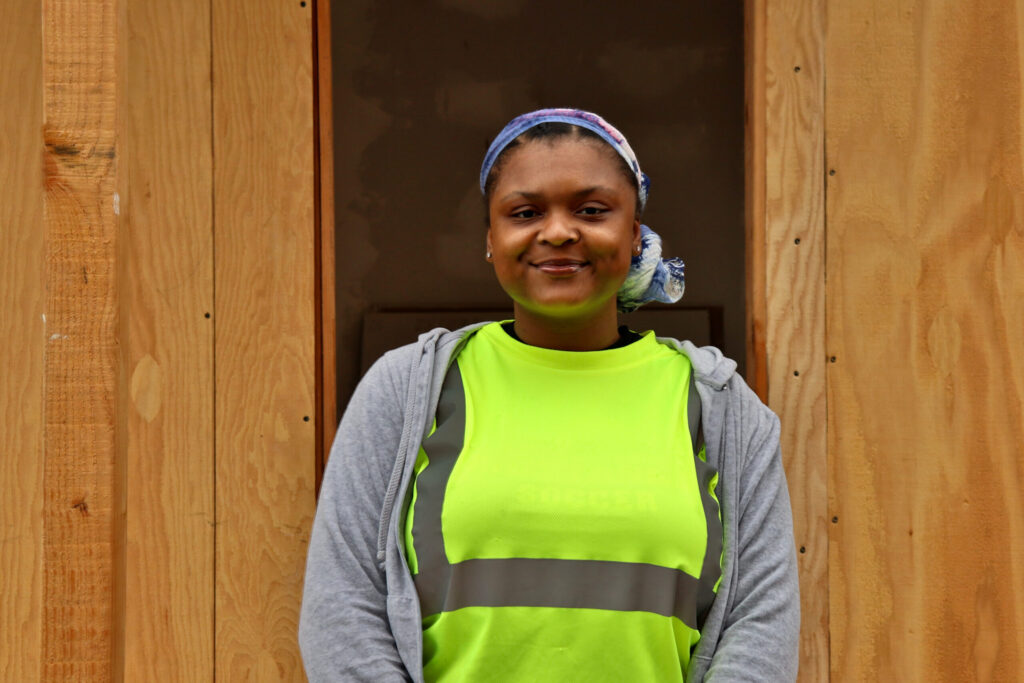
Improving the Quality of Jobs in the Residential Building Decarbonization Sector
Public Programs Best Practices Guide
The Best Practices Guide is a complementary resource to the toolkit that shares various approaches to implementing labor standards and designing decarb programs that advance both economic and climate resilience.
This guide takes data and recommendations from successful programs and makes them accessible and understandable.
Residential Decarbonization Industry Paper Series
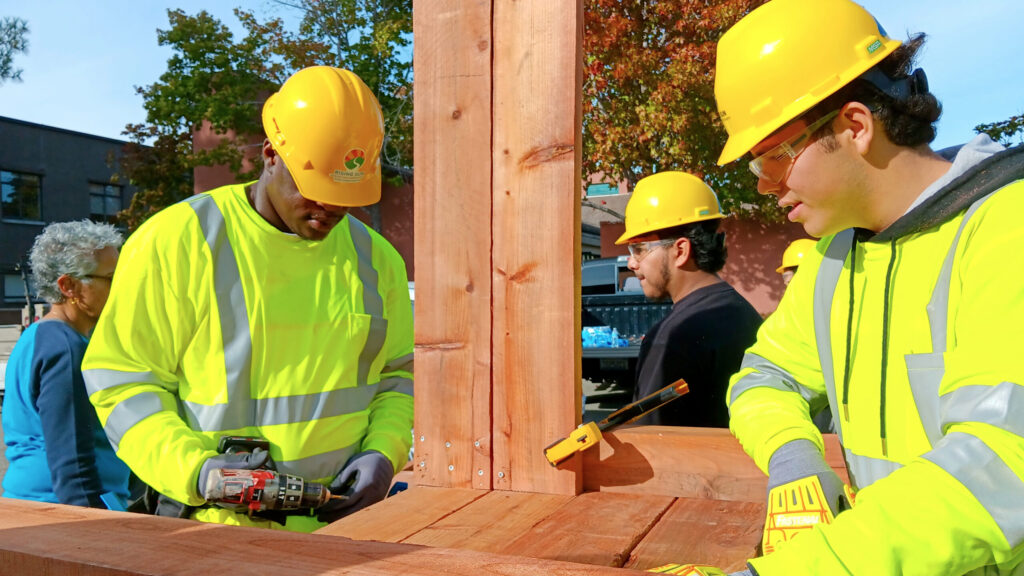
Industry Analysis
Bay Area Residential Decarbonization Industry and Workforce Overview
As California strives to reduce the impacts of climate change, decarbonizing the state’s building stock is a priority.
The following Industry Analysis provides an overview of the landscape of public investment, workers, and firms in the Bay Area (Alameda, Contra Costa, Marin, Napa, San Francisco, San Mateo, Santa Clara, Solano, and Sonoma counties), based on the results of our industry study.

Economic Impact Assessment
Economic Impacts of a Wage and Benefit Labor Standard for the Bay Area Residential Decarbonization Industry
The federal government and the state of California have made historic large-scale investments to encourage homeowners to retrofit their homes. Creating labor standards to mandate wage floors and benefits levels in the industry can ensure that residential decarbonization investments improve job quality rather than reinforcing labor practices that undermine workers’ well-being.
This paper explores the potential economic impacts of adopting labor standards for the residential decarbonization industry in the nine-county Bay Area.
How can I participate?
If you or your organization would like to contribute, we’d love to connect. We’re especially interested in speaking with:
- Contractors and workers in the residential construction industry. Learn more about getting involved.
- Local cities, regional agencies, and CCAs interested in running residential decarbonization programs. Learn more about designing your programs to further job quality.

If you or your organization would like to contribute, we’d love to connect. We’re especially interested in speaking with:
- Contractors and workers in the residential construction industry. Learn more about getting involved.
- Local cities, regional agencies, and CCAs interested in running residential decarbonization programs. Learn more about designing your programs to further job quality.
Rising Sun’s skilled leadership of the HRTP has been invaluable to the development of Berkeley’s Just Transition Pilot Program that seeks to equitably electrify low-income housing while supporting high road jobs. The partnership has provided opportunities to learn, develop trust, and collaborate with a broad group of stakeholders.
Billi Romain
Manager of the Office of Energy and Sustainable Development, City of Berkeley
It was such an honor to visit Rising Sun, tour their facility and programs, and chat with their team about how their programs are changing lives every day. As we think about the partnerships and investments that are needed to expand apprenticeship opportunities in the trades for women and underserved communities, Rising Sun serves as a model that should be broadly scaled and replicated throughout the state.
Natalie Palugyai
Commissioner of California’s Workers’ Compensation Appeals Board; former California Labor Secretary
Rising Sun is exemplifying how we can address infrastructure, climate, jobs, and racial and gender justice all at the same time.
Padmini Parthasarathy
Principal and Founder, Sāmya Strategies
