
Policy and Advocacy
Rising Sun advocates for state and local policies and programs to equitably improve job quality, energy affordability, and climate resilience
Spotlight on the Bay Area High Road Training Partnership
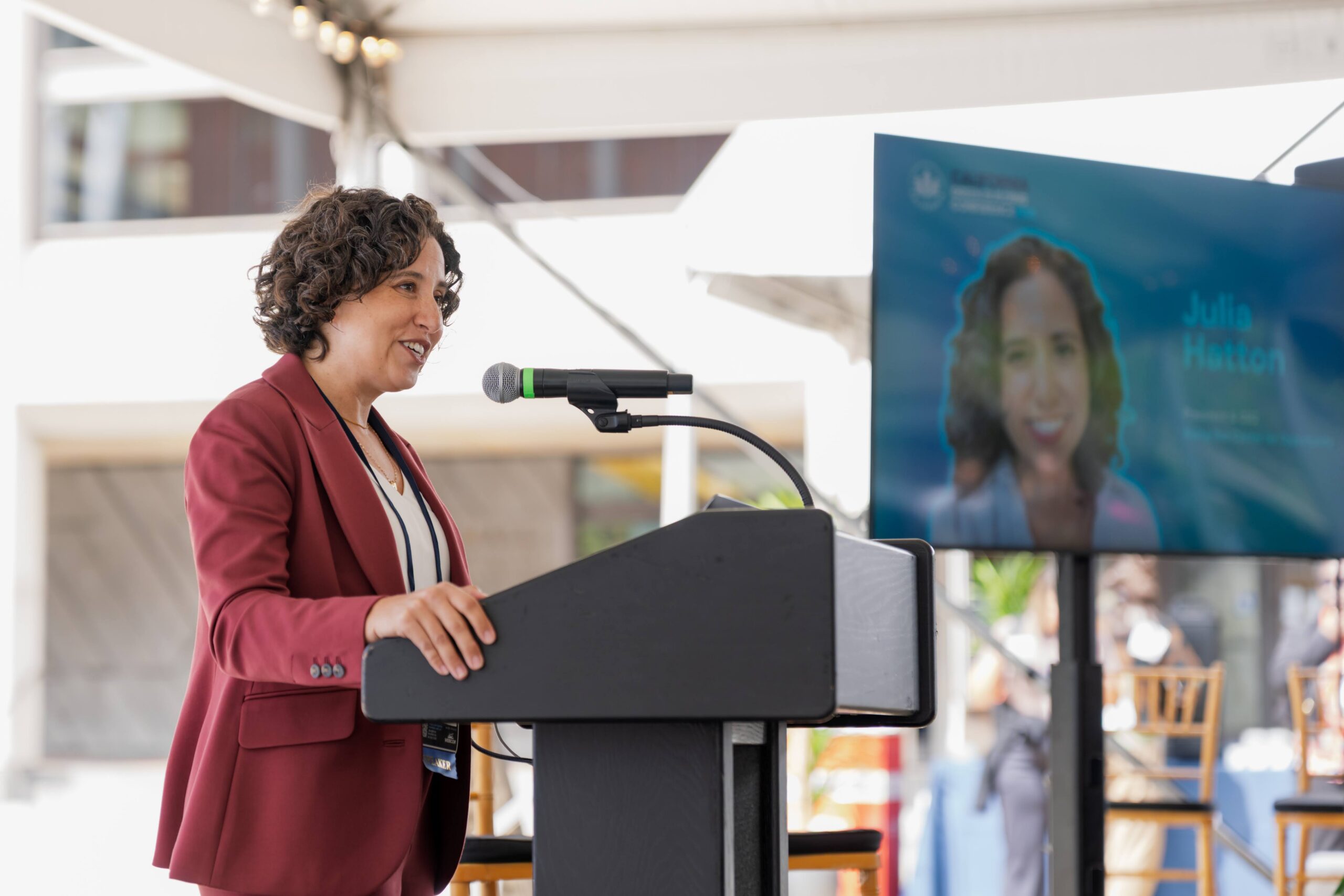
Rising Sun has been a co-facilitator of the Bay Area Residential Building Decarbonization HRTP since 2021. The HRTP brings together over 20 regional cities, government agencies, labor unions, employers, workers, and advisors to advance a residential building decarbonization industry that supports quality jobs, engages a qualified workforce, and provides stable career pathways for disadvantaged workers while simultaneously reducing greenhouse gas emissions and building more climate resilient communities. Public standards for job quality—including wage and benefit requirements—are one way of getting there.
Please see the list of official partners, core principles, and partnership goals in our HRTP overview.

What is the ‘High Road’?
‘High Road’ economic and workforce development strategies:
- Improve job quality and job access, including for women and people from underserved and underrepresented populations.
- Meet the skill and profitability needs of employers.
- Meet the economic, social, and environmental needs of the community.
The ‘High Road’ is how we achieve economic equity and climate resilience simultaneously. At Rising Sun, this is what we’re all about.
A Winning Combination
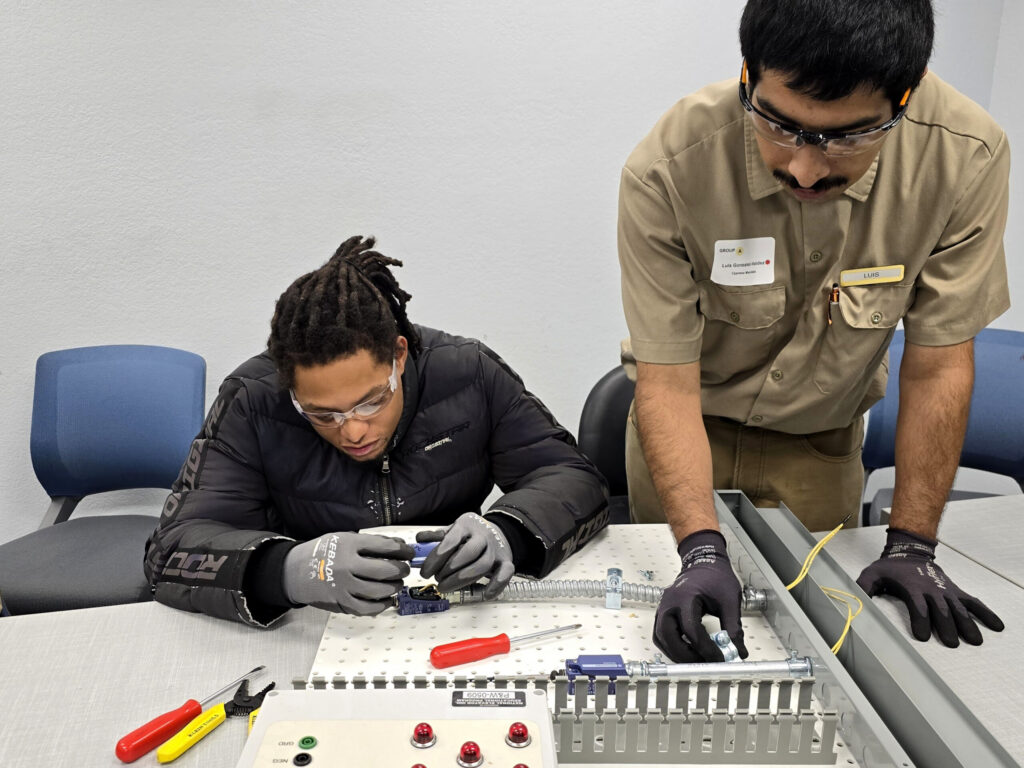
The data is in: good wages and benefits—key elements of a High Road career—are good for the climate, workers, contractors, taxpayers, and our economy.
In the residential decarbonization sector, High Road jobs and labor standards:
- Retain and attract workers.
- Eliminate the racial wage gap for workers.
- Improve quality of work and persistence of energy savings, helping California meet its climate goals.
- Improve the lives of workers and their families while delivering economic benefit to regional communities.
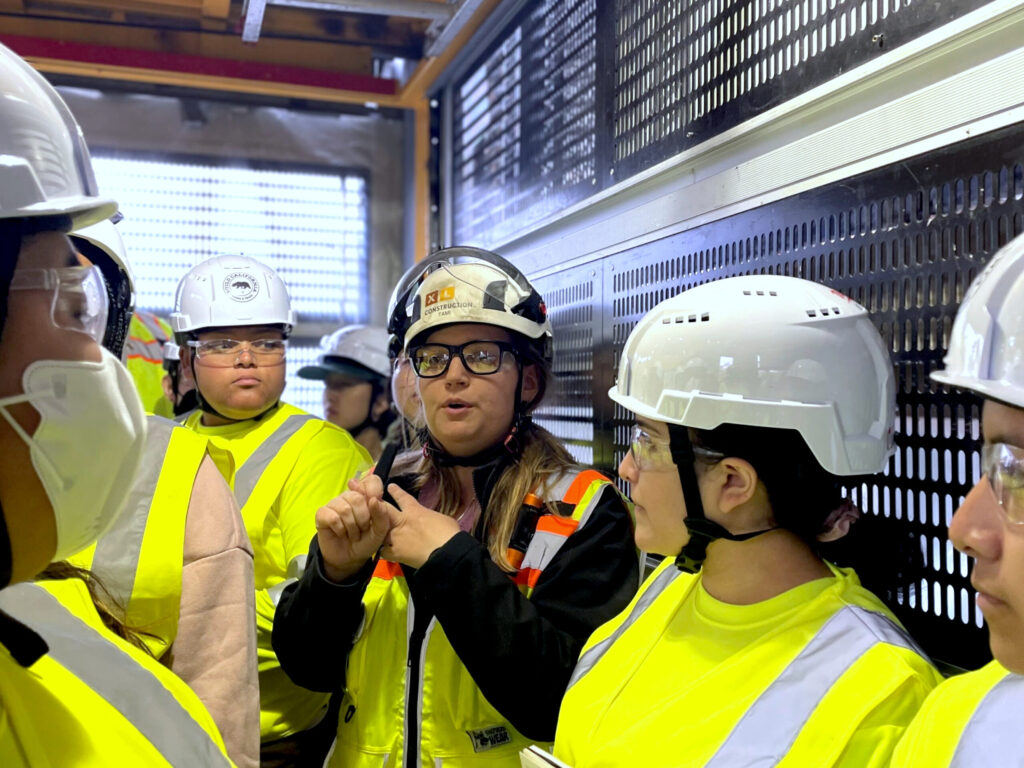
Despite historic investments in building electrification, decarb industry workers were among the lowest-paid in our region—and contractors struggled to hire. However, when we require good wages and benefits on publicly-funded projects:
- The local economy (GDP) grows by $1.28-$3.15 for every additional dollar of project cost spent on prevailing wage.
- Taxpayers save $2.61-$2.76 for every dollar spent on prevailing wages and benefits—even when we account for a 3-9% increase in project costs.
- Latine workers—the majority of workers in this industry—go from earning 65¢ on the dollar to matching that dollar earned by White, non-Latine workers.
Resources
Contactor Supports Plan and Resource Guide
Developed on Behalf of the Bay Area Residential Decarbonization High Road Training Partnership
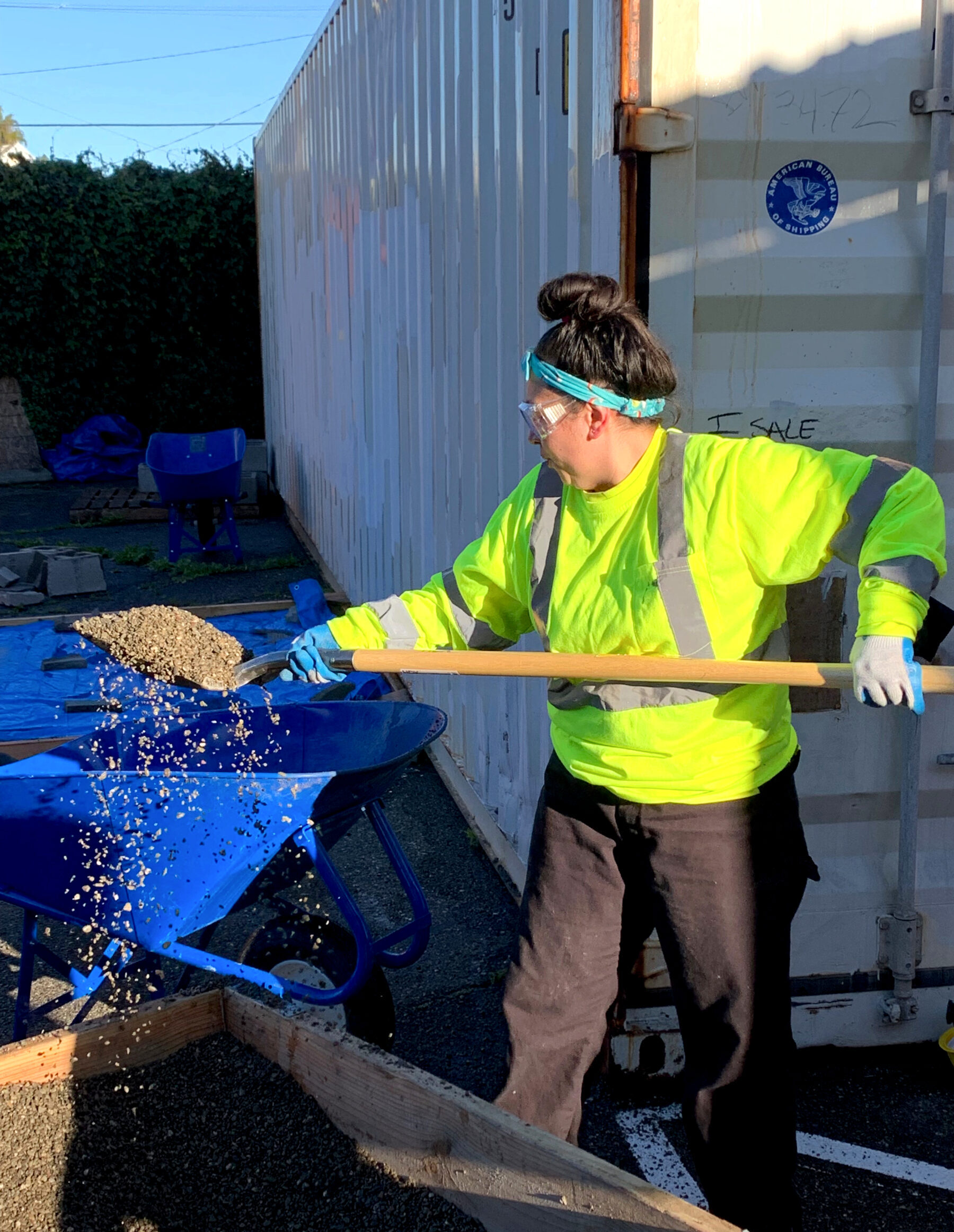
This two-part guide supports equitable contractor participation in publicly funded decarbonization programs.
Part 1: The Contractor Supports Plan equips policymakers, program administrators, and implementers with key recommendations for designing decarbonization programs that meaningfully include small, BIPOC, women-owned, and disadvantaged contractors.
Part 2: The Contractor Supports Resource Guide provides a comprehensive directory of organizations across the nine-county California Bay Area and beyond offering categorical business supports to uplift small, BIPOC, women-owned, and disadvantaged contractors. Contractors can explore the resources available to help them compete, grow, and thrive in the decarbonization economy.
Looking for additional resources? Browse organizations by category, geography, or union specificity in a searchable Airtable database, or print and share informational flyers.
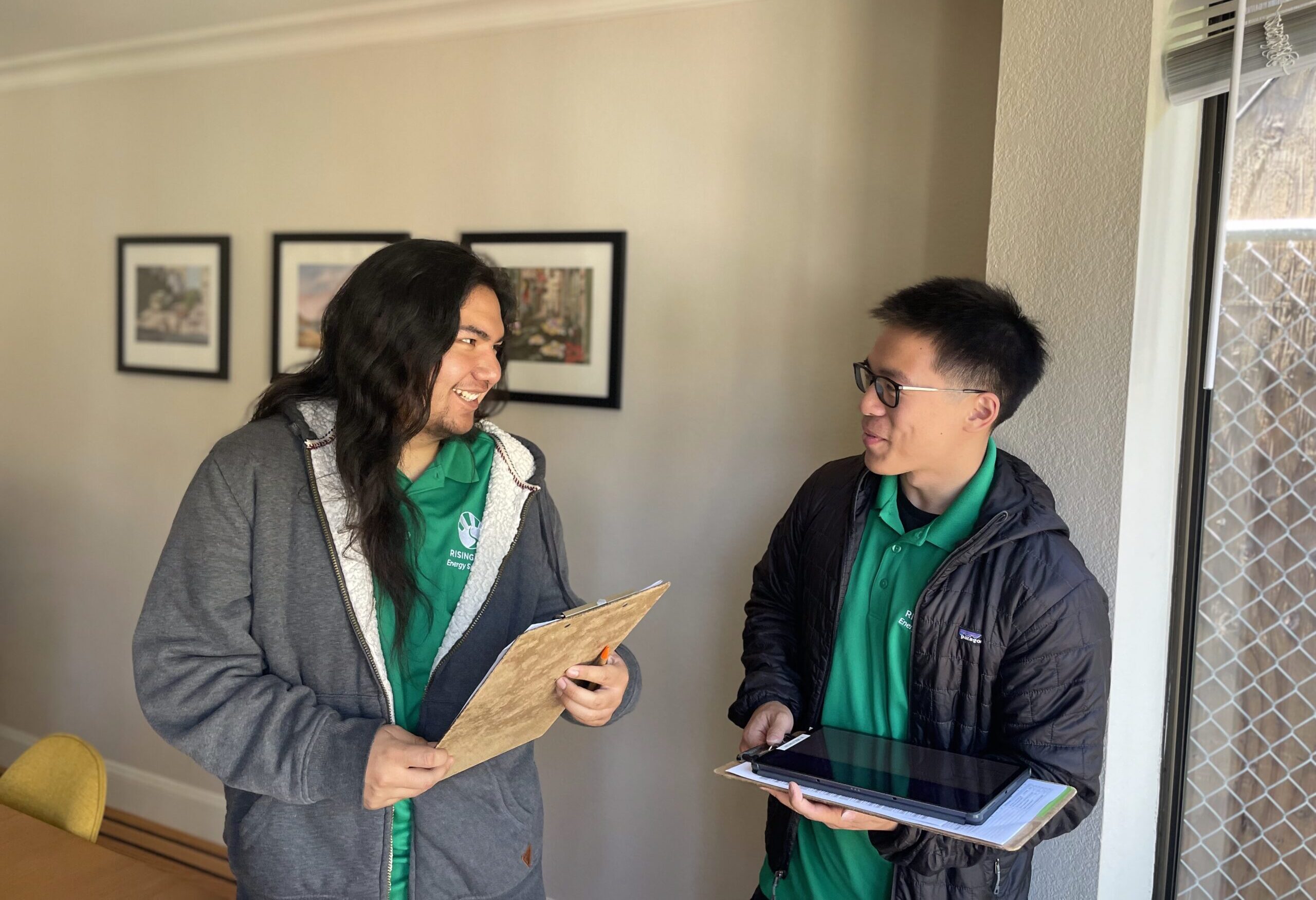
Residential Building Decarbonization Labor Standards
Bay Area High Road Training Partnership Recommended
The following recommended labor standards have been developed collaboratively by the Bay Area Residential Decarbonization High Road Training Partnership with the goal of increasing job quality and equitable access for workers in the residential decarbonization industry.
These labor standards are recommended by the Partnership for use in publicly funded residential decarbonization programs.
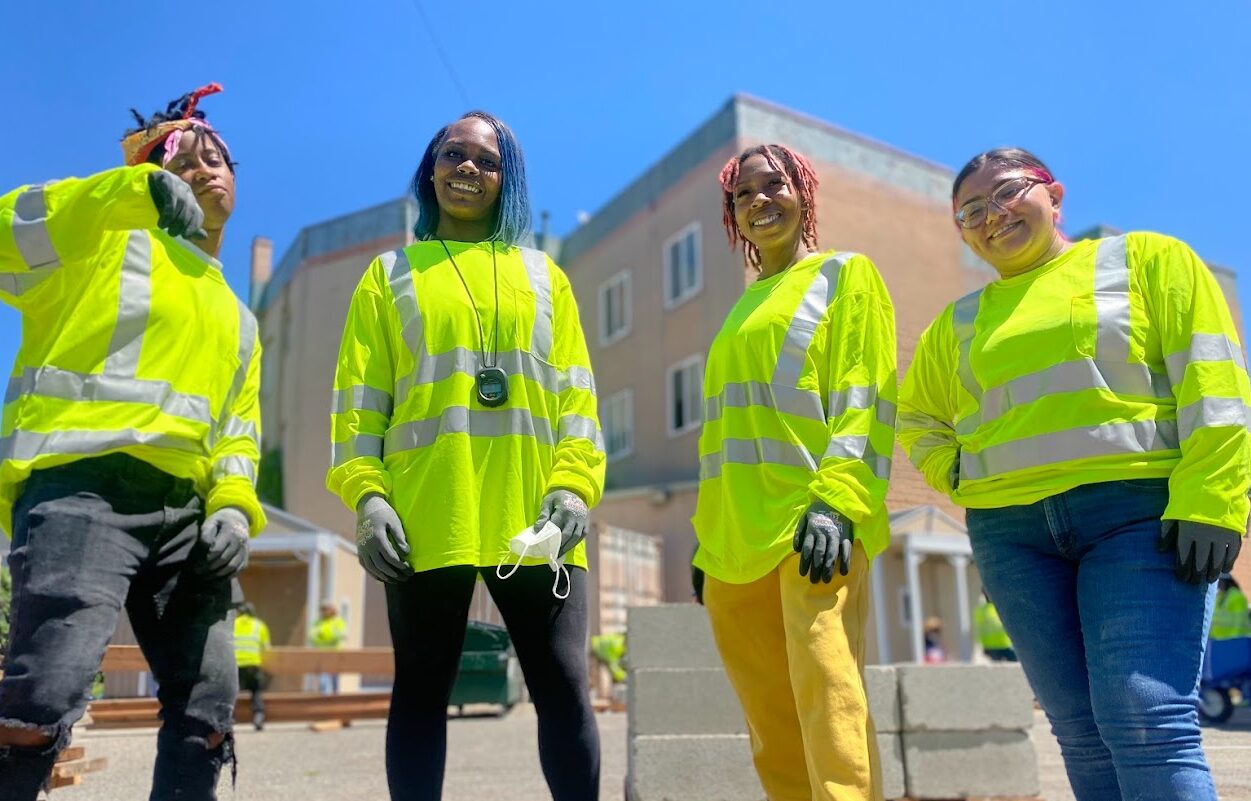
Economic Impact Assessment
The federal government and the state of California have made historic large-scale investments to encourage homeowners to retrofit their homes. Creating labor standards to mandate wage floors and benefits levels in the industry can ensure that residential decarbonization investments improve job quality rather than reinforcing labor practices that undermine workers’ well-being.
This paper explores the potential economic impacts of adopting labor standards for the residential decarbonization industry in the nine-county Bay Area.
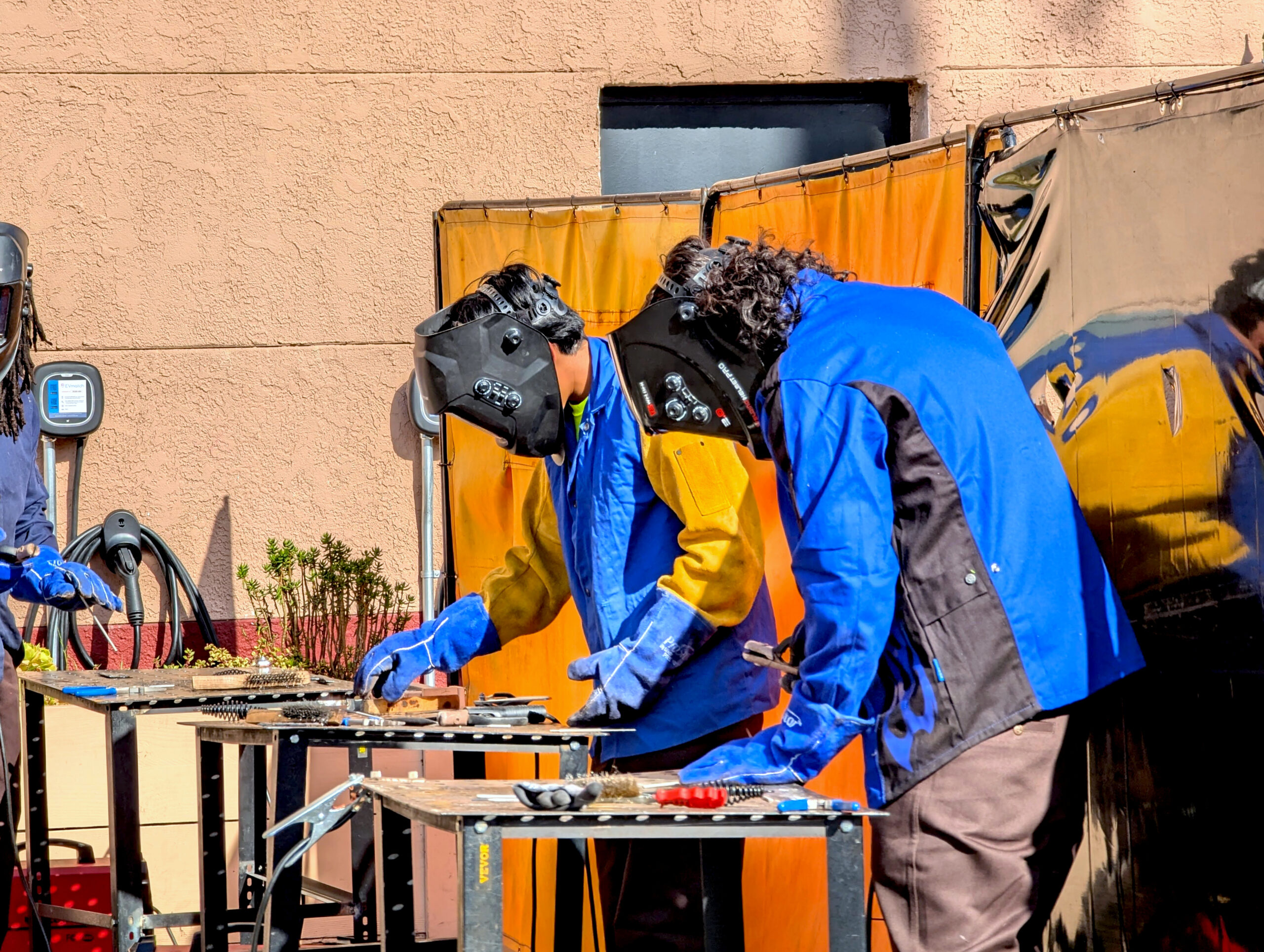
Job Quality and Labor Standards Toolkit
Uplift Job Quality in Publicly Funded Residential Decarbonization Programs
Designed by the Bay Area Residential Decarbonization High Road Training Partnership, this resource equips policymakers, program designers, and implementers with the information and resources to craft High Road residential building retrofit programs.
Dive into practical strategies and recommended labor standards that enhance worker equity, foster economic growth, and elevate job quality—all while reducing greenhouse gas emissions.
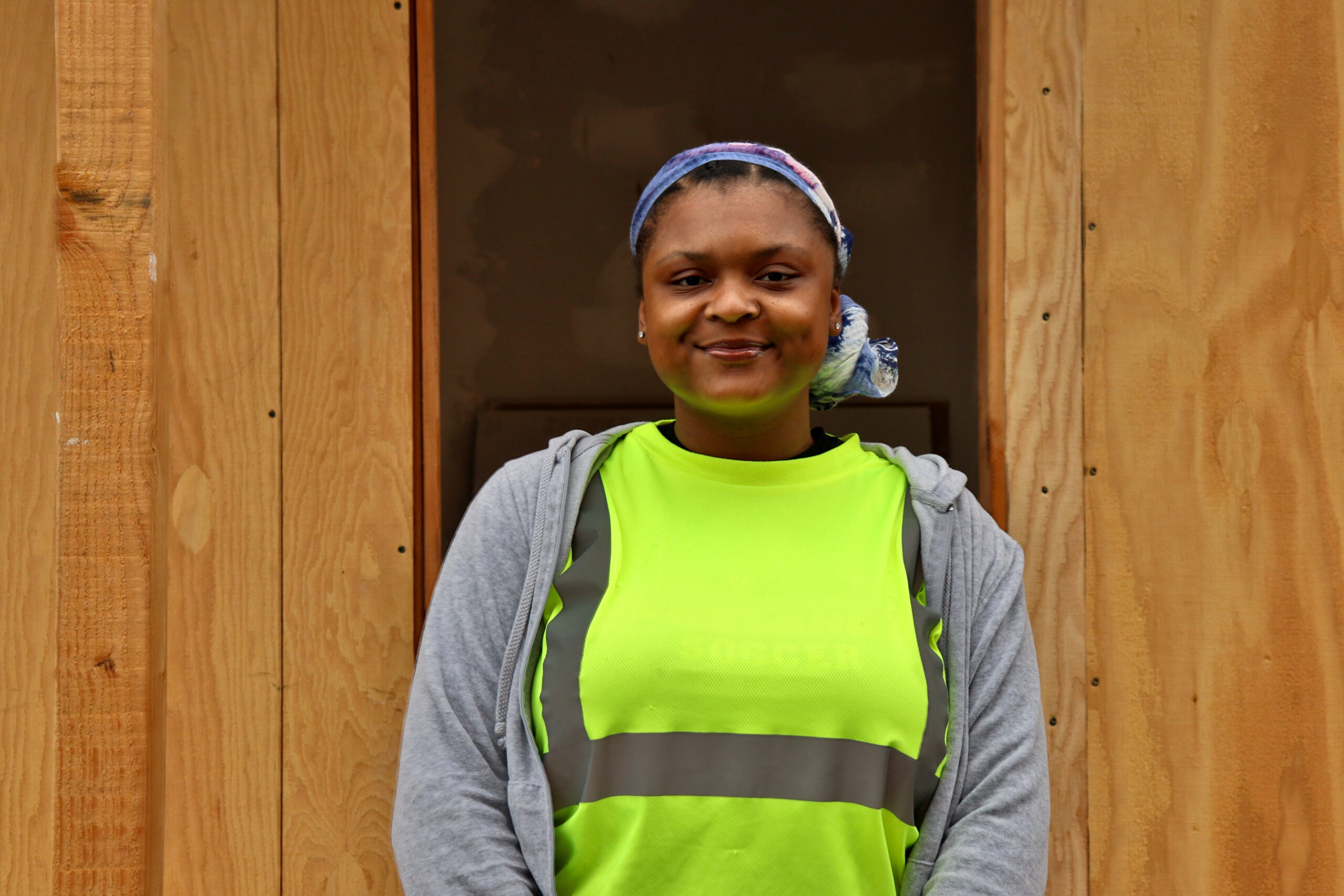
Public Programs Best Practices Guide
Improving the Quality of Jobs in the Residential Building Decarbonization Sector
The Best Practices Guide is a complementary resource to the toolkit that shares various approaches to implementing labor standards and designing decarb programs that advance both economic and climate resilience.
This guide takes data and recommendations from successful programs and makes them accessible and understandable.
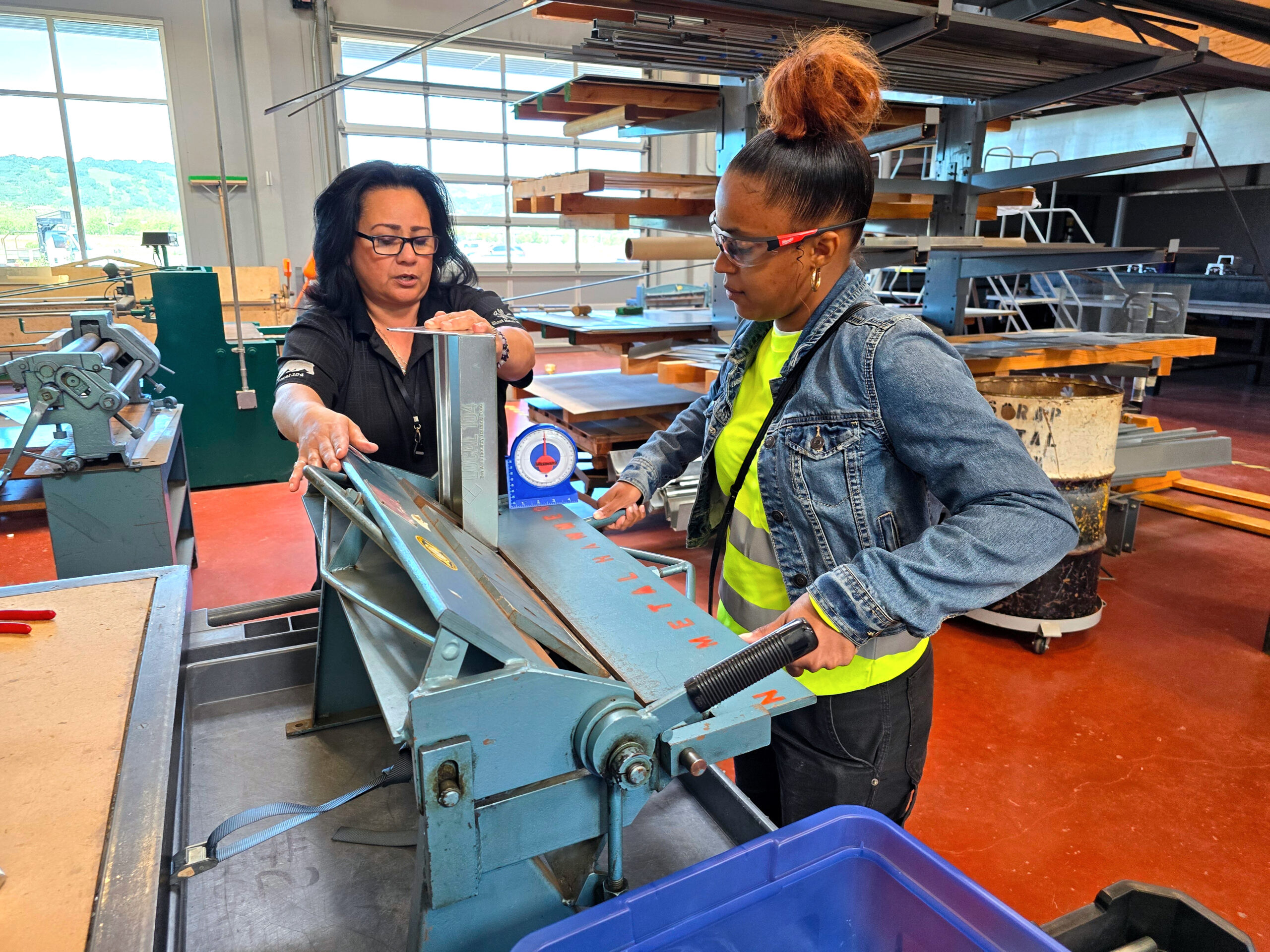
Bay Area Residential Decarbonization Industry and Workforce Overview
Industry Analysis
As California strives to reduce the impacts of climate change, decarbonizing the state’s building stock is a priority.
The following Industry Analysis provides an overview of the landscape of public investment, workers, and firms in the Bay Area (Alameda, Contra Costa, Marin, Napa, San Francisco, San Mateo, Santa Clara, Solano, and Sonoma counties), based on the results of our industry study.
How can I participate?
If you or your organization would like to contribute, we’d love to connect. We’re especially interested in speaking with:
- Central Valley and Bay Area organizations and coalitions working on energy affordability and workforce programs.
- State and national organizations interested in sharing information about high road job quality.
- Contractors and workers in the residential construction industry.
- Local cities, regional agencies, and CCAs interested in running residential decarbonization programs. Learn more about designing your programs to further job quality!
If you or your organization would like to contribute, we’d love to connect. We’re especially interested in speaking with:
- Central Valley and Bay Area organizations and coalitions working on energy affordability and workforce programs.
- State and national organizations interested in sharing information about high road job quality.
- Contractors and workers in the residential construction industry.
- Local cities, regional agencies, and CCAs interested in running residential decarbonization programs. Learn more about designing your programs to further job quality!
Rising Sun’s skilled leadership of the HRTP has been invaluable to the development of Berkeley’s Just Transition Pilot Program that seeks to equitably electrify low-income housing while supporting high road jobs. The partnership has provided opportunities to learn, develop trust, and collaborate with a broad group of stakeholders.
Billi Romain
Manager of the Office of Energy and Sustainable Development, City of Berkeley
I greatly value the expertise and support the High Road Training Partnership provided during the development of the City’s Heat Pump Water Heater Direct Installation RFP. As the City’s first RFP to prioritize equitable labor standards, their feedback and lessons learned were invaluable in strengthening our program’s design.
Mireille Vargas
Sustainability Specialist, Public Works and Utilities Department, City of Hayward
San Francisco appreciates the ability to connect with other jurisdictions and local stakeholders via the HRTP to advance high road jobs in the building sector. Rising Sun works tirelessly to ensure that the Green Transition will lift all boats as we collaborate to build a healthier and more equitable world.
Nik Kaestner
Senior Building Decarbonization Coordinator, San Francisco Environment Department
